

How to Take Feedback in a Masterclass: A Guide for Figure Drawing and Animation Students
You’ve just pinned your best gesture drawings to the wall. Twenty minutes later, a visiting instructor from a major studio stands in front of them, points at your line work, and says, “This is stiff. You’re drawing shapes, not movement.” The room goes quiet. Everyone looks at you. Your face gets hot. We’ve watched this exact moment play out dozens of times at Studio Technique Montreal, and we can tell you something reassuring: the students who grow the fastest are rarely the ones who get the gentlest critique. They’re the ones who know how to receive it. In our experience, how you take feedback matters far more than the feedback itself.
Why Masterclass Feedback Feels Different (and Why That’s Good)
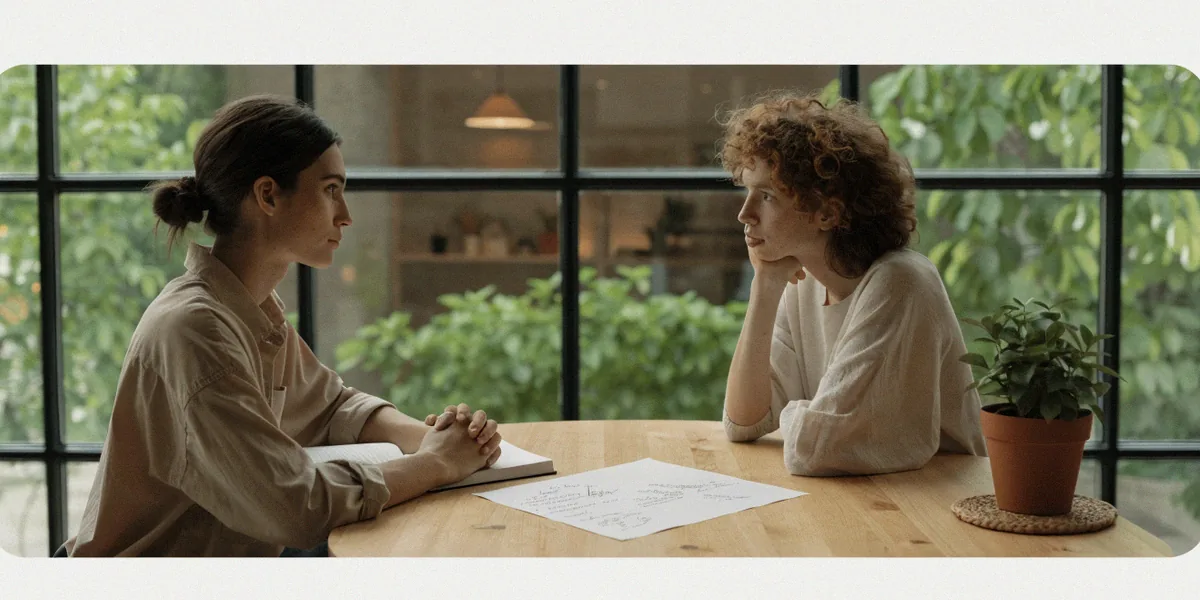
A regular Montreal art class is a safe place. You work with the same instructor for weeks, they learn your habits, and corrections come quietly at your easel. A masterclass is a different animal. The instructor may be a veteran animator or a working concept artist with credits you’ve admired for years. The critique often happens in front of the whole group. It feels like a performance, and in a way, it is — but not the kind you think.
The Psychology of Public Critique
Public critique triggers a real stress response. Your heart rate climbs, your attention narrows, and your brain starts drafting defenses before the instructor finishes their sentence. That’s normal, but it’s also a trap. When you’re busy defending, you’re not listening. We coach students to notice the physical signs of defensiveness — crossed arms, tight jaw, the urge to interrupt — and treat them as a signal to breathe and take notes instead. The discomfort usually fades within a few minutes, and what remains is information you can actually use.
How Masterclasses Accelerate Animation Training
In a weekly class, you might get ten minutes of focused correction. In a masterclass, you can get an hour of concentrated, high-level input from someone who hires juniors and knows exactly what Canadian animation industry standards demand. That density is the point. One well-delivered critique about your figure drawing can redirect months of practice. We’ve seen students make bigger leaps in a single weekend masterclass than in a full semester, not because the instructor was magic, but because the student showed up ready to absorb.
Before the Masterclass: Set Yourself Up to Receive Feedback
Receiving feedback well starts before you walk into the room. Our team gives every student the same pre-class checklist, and it works whether you’re attending a workshop at Studio Technique Montreal or an online session with an instructor overseas.
Preparing Your Figure Drawing Samples
Bring work that represents your actual level, not just your best three drawings. A mix is ideal: a few finished pieces, a stack of gesture drawing practice from the last month, and one or two pieces you’re unsure about. If you’re preparing for animation portfolio reviews in Canada, include the work you’d actually submit — life drawing, character sheets, and any sequential or movement studies. Instructors can only help you with what they can see. Curating too heavily hides the patterns you most need corrected.
Choosing What to Ask (and What Not To)
Write down two or three specific questions in advance. Specific beats vague every time.
- Good: “My gesture drawings lose the pose in the first ten seconds. What should I focus on?”
- Good: “Does this portfolio read as ready for a junior animation role in Canada?”
- Weak: “What do you think?” — too open-ended to generate useful direction.
- Weak: “Is this good?” — yes/no questions waste a masterclass instructor’s expertise.
One more ritual we recommend: before class, say out loud that your drawings are not your identity. You made them, you can make better ones, and a critique of the work is not a verdict on you as a person. It sounds simple. It changes everything.
During the Critique: How to Listen, Respond, and Take Notes
In our Montreal art classes, we teach a method called “pause and paraphrase.” When the instructor finishes a point, pause for two seconds, then repeat it back in your own words: “So you’re saying my proportions are fine, but the spine has no curve, so the pose reads flat.” This does two things — it confirms you understood, and it stops you from jumping straight to a defense.
The Art of the Follow-Up Question
Follow-up questions should clarify, not challenge. “Can you show me what you mean on my drawing?” is almost always a good move. “What would you do differently in the first five minutes of this pose?” is another. Avoid stacking three questions at once; ask one, listen fully, then ask the next. Instructors notice students who ask sharp, focused questions, and those students often get extra attention as a result.
Body Language and Tone in a Masterclass
You don’t need to perform gratitude, but you do need to be present. Put your phone away. Keep your arms uncrossed. Nod when you understand, and say “I hadn’t thought of that” when you genuinely hadn’t. If the critique stings, it’s fine to say, “That’s tough to hear, but I appreciate it.” Honesty lands better than forced cheerfulness, and instructors have seen every reaction in the book. What they remember is whether you were engaged.
After the Masterclass: Turning Feedback into Action
The notes you take during a masterclass are worthless if they stay in the notebook. The real work happens in the week that follows.
Sorting Feedback: What to Apply First
Go through your notes and sort them into three buckets:
- Foundational fixes — things that affect everything, like gesture drawing flow, proportion, or line confidence. These come first.
- Portfolio-level changes — pieces to redo, remove, or replace before your next animation portfolio review.
- Long-term development — skills like anatomy depth or staging that take months, not days.
Then build a practice plan around bucket one. If the instructor said your gestures lack weight, spend the next two weeks on timed gesture drawing practice with a focus on balance and force, not on finishing drawings. We’ve watched students land animation portfolio spots after doing exactly this — one student took a single note about “floating feet” from a masterclass, spent a month on grounded figure studies, and rebuilt her portfolio around it. She was accepted into a studio program three months later.
Building a Feedback Loop into Your Routine
Don’t wait for the next masterclass. Show your work to peers weekly, post in critique communities, and book periodic animation portfolio reviews in Canada with instructors or working professionals. Feedback works best as a loop, not an event. The students who improve fastest at Studio Technique Montreal are the ones who seek critique constantly and treat each round as a checkpoint rather than a judgment.
Common Mistakes We See (and How to Avoid Them)
After years of running masterclasses and Montreal art classes, we’ve seen the same handful of mistakes over and over. Consider this your warning label.
- Arguing with the critique. “But the reference had it that way” is not a defense — it’s a missed lesson.
- Over-apologizing. “I know, I’m terrible, I’m so sorry” makes the critique about your feelings instead of your work.
- Ignoring notes you disagree with. You don’t have to apply everything, but you should understand it before you discard it.
- Comparing yourself to others in the room. Someone else’s drawing being stronger doesn’t reduce what you can learn from your own critique.
Defensiveness vs. Curiosity
Defensiveness says, “That’s not what I meant.” Curiosity says, “Tell me more about what you’re seeing.” One closes the conversation; the other opens it. Curiosity doesn’t mean you agree with everything — it means you gather full information before deciding what to do with it.
When to Disagree with a Masterclass Instructor
Sometimes you’ll get feedback that conflicts with your goals, your style, or advice from another instructor. That’s fine. If an instructor pushes you toward a rendering style that doesn’t fit the animation training path you’re on, you can note it, thank them, and set it aside. The rule we give students: disagree privately, but never argue publicly. You lose nothing by staying gracious, and you keep the door open for future feedback.
Frequently Asked Questions
How do I take harsh feedback without getting discouraged?
Separate the work from yourself. Write the critique down, thank the instructor, and give yourself a day before deciding what to apply. Most harsh feedback is specific and useful once the sting fades.
Should I bring unfinished work to a masterclass critique?
Yes, selectively. Unfinished gesture drawing studies often reveal more about your habits than polished pieces, and instructors can correct problems before they’re baked into a final drawing.
How often should I get animation portfolio reviews in Canada?
We recommend a formal review every three to four months, with informal peer critiques weekly. That cadence keeps you improving without overwhelming you between reviews.
What if the instructor’s advice contradicts my regular teacher’s?
Ask both to explain their reasoning. Different instructors optimize for different goals — gallery work, studio animation, illustration. Once you understand the “why” behind each, you can choose what fits your path.
Can I apply masterclass feedback if I’m not ready for a portfolio yet?
Absolutely. Foundational notes on gesture drawing, proportion, and line quality apply at every level, and addressing them early saves you from rebuilding your portfolio later.
Feedback is a gift, even when it’s wrapped badly. The best figure drawing and animation training happens when you stay humble enough to listen, curious enough to ask, and action-oriented enough to actually apply what you hear. Whether you’re in one of our Montreal art classes or a weekend masterclass across the country, walk in ready to learn — and walk out with a plan.